-
From the authors of THE SOUTH WAS RIGHT! comes a new edition of what one historian calls one of the most important and original histories of the Southern people. PUNISHED WITH POVERTY tells the unvarnished story of the intentional policy of economic devastation and exploitation of the South which has affected all Southerners, both black and white, long after the close of the "Civil War" and "Reconstruction." In fact, the sad legacy of these punitive policies continues to this very day. The over-arching theme of Southern history is not Race, as is conventionally stated, but Poverty - poverty not due to the South's shortcomings but imposed on them by the system under which they live.
-
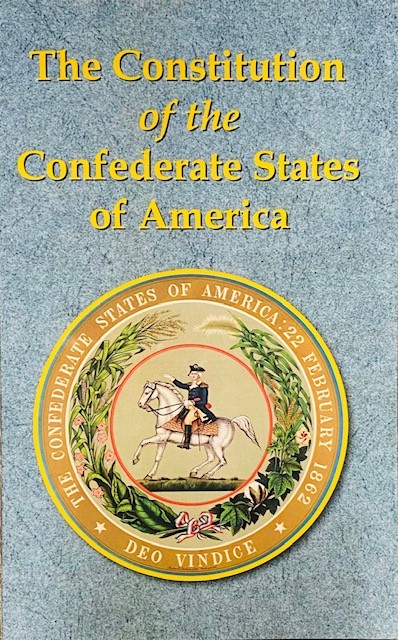
The Constitution of the Confederate States of America was very similar to the United States of America Constitution. And why shouldn't it be? After all, a Southerner, James Madison, was the chief architect of the US Constitution and it was adopted by their forefathers. This was the main reason the states of the South declared their independence and seceded to form their own government. The northern states and the Federal government had strayed from the constitution adopted by their forefathers. Most of the Bill of Rights in the US Constitution was incorporated into the Confederate Constitution. There are other small adjustments and tweaks throughout the document to correct things Southerners felt were in error with the original document and to balance power between the states and the federal government.
-
It is true that "history is written by the victors." For more than 150 years the Northern perspective has been the one dominant narrative. The Confederate soldier's good name has been smeared as racist, mocked as buffoons and often erased from the history books as though they never existed at all. This book uses primary sources to teach about what really happened during the "War of Northern Aggression."
-
The hope for this book is to show the narrative of the day when the South was invaded by those who desired to inflict their ideals, morals and attitudes, just because "these Southerners" needed to be brought back under the Northerner's way of life, their philosophy of life and their interpretation of the law. But above all, it was because the Northerners way of life was jolted economically when the Southern states seceded from the Union.
-
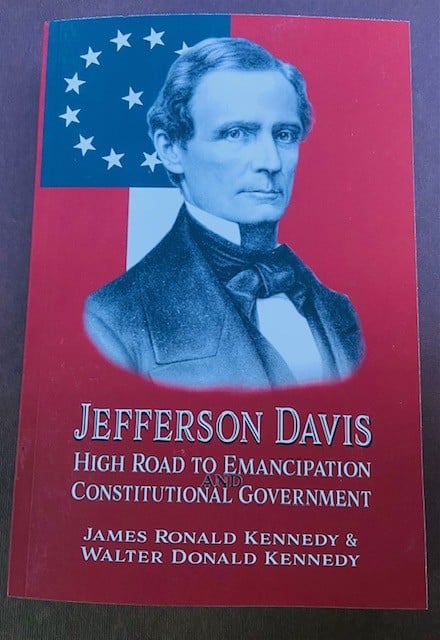
The latest book from the Kennedy brothers. Jefferson Davis was a proponent of the high road to emancipation. He looked to the day in which slaves would be prepared to live within and participate in a democratic society. He did more than advocate for the high road to emancipation - as this book documents, he practiced his belief in the ultimate emancipation of Southern slaves. Many of his former slaves left for posterity their testimony about their former master - a master who prepared them for freedom as self-sustaining members of society. The North's ruling elites justified their invasion, conquest, and occupation of the Confederate States of America by declaring that the South was fighting to preserve slavery and that secession was treason. After the unfortunate end of the War for Southern Independence, the United States arrested Jefferson Davis on charges of treason. Davis demanded a trial, yet the United States never brought Davis to trial - why? Were they afraid they would lose in court? Davis, and through him the South, was unjustly tried in the court of public opinion - a court controlled by the North's ruling elites. This book gives the defense that Davis and the South never had.
-
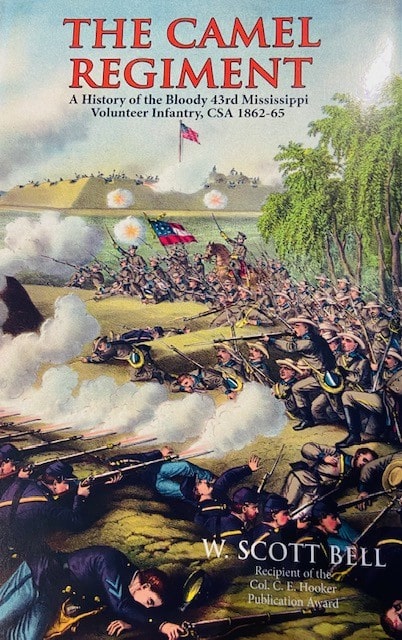
During the Civil War, few men had seen camels on the battlefield. But one Mississippi infantry marched into battle with Old Douglas, who served with the Bloody 43rd and died in the Siege of Vicksburg. The regiment became known as the Camel Regiment, and its soldiers carried memories of Old Douglas through the end of the war and until the end of their own lives. They went on to fight in fourteen battles, including Corinth, Vicksburg, Chickamauga, Atlanta, Franklin, Nashville and Bentonville before they surrendered at war's end. Author W. Scott Bell's fascination with the Camel Regiment began because his great-great-grandfather fought with them.
-
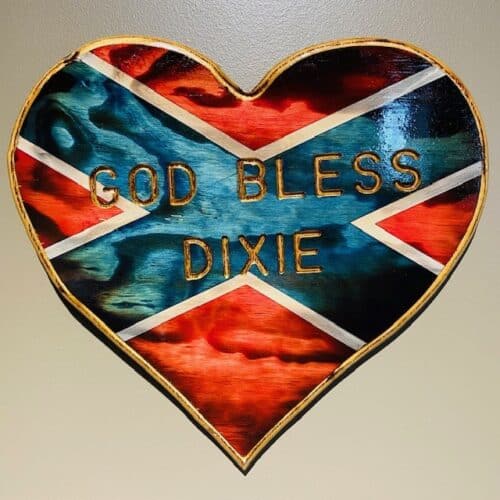
BACK IN STOCK! These beautiful wooden signs are completely handcrafted by a gentleman down in New Orleans. They come with attached hardware ready to hang on the wall OR you can add your own wooden stake on the backside and use as patio/garden decor. They measure approximately 15.75" x 14.50".
-
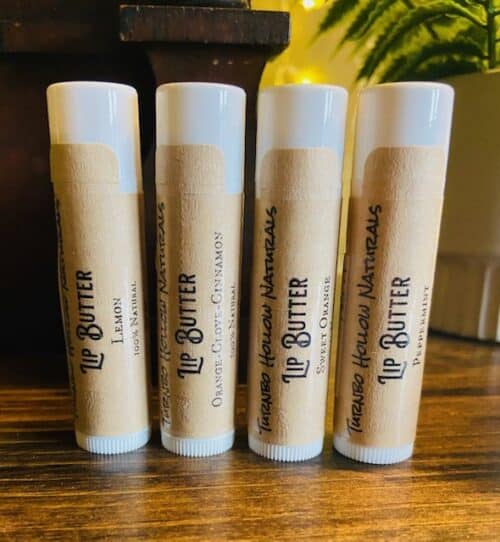
Handcrafted in small batches in Clifton, Tennessee using natural ingredients. Choose from peppermint, lemon, sweet orange and orange/clove/cinnamon.
-
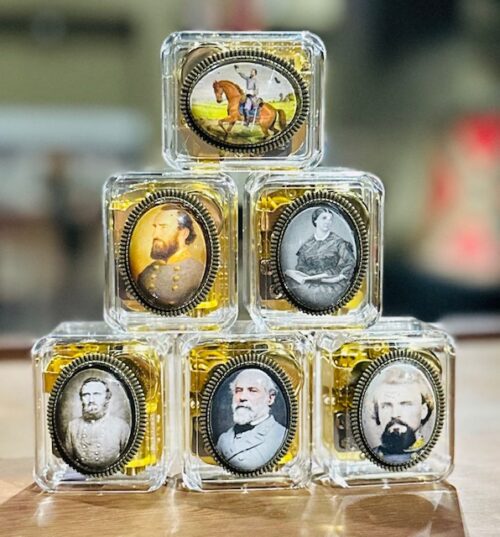
Each music box plays our beloved "Dixie" WITH THE EXCEPTION OF THE BONNIE BLUE FLAG SHEET MUSIC BOX, which plays "Bonnie Blue Flag." The perfect gift for every southern lady! Each music box measures approximately 2.5"x 2"x 2". *Graphic colors and bezel frames may be slightly different .
-
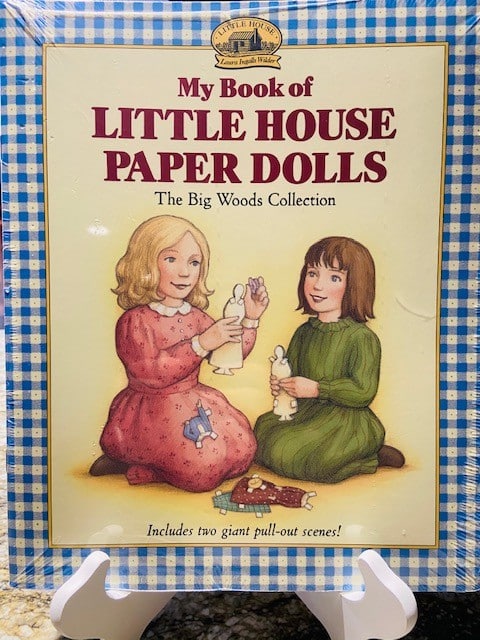
This adorable Little House on the Prairie paper doll book is so much fun! Comes with Ma, Pa, Mary, Laura, Carrie and of course their faithful dog, Jack. The backdrop is double sided so you can choose from the cabin scene or the 'Big Woods.' The back of the book has a pocket where you can store your paper dolls. This is the perfect gift for young girls and Little House fans of all ages!
-
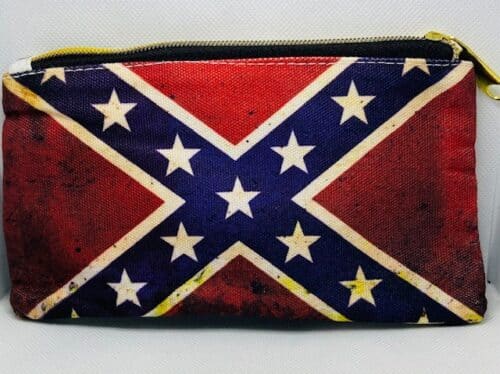
This cute bag has a nice gold zipper and would be perfect for carrying smaller items such as makeup. Measures 8" x 4.5".
-
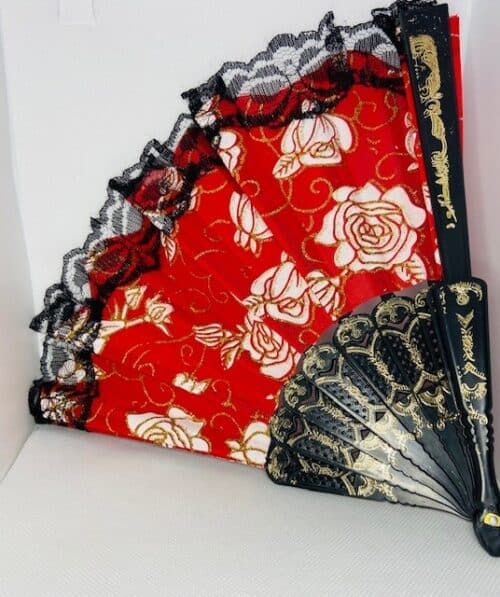
These hand fans are available in either turquoise, red, purple and pink. You can request a certain color upon checkout in the 'notes' section although we cannot guarantee that we will have a particular color in stock.
-
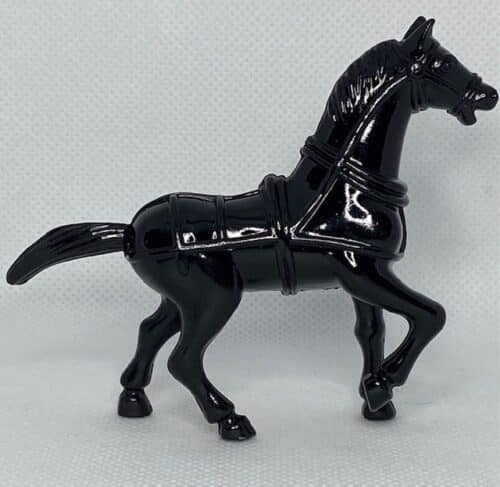
Metal horse figurine that is meant to accompany the metal toy soldiers that we also sell. Horse measures 3" tall and 3.5" long.
-
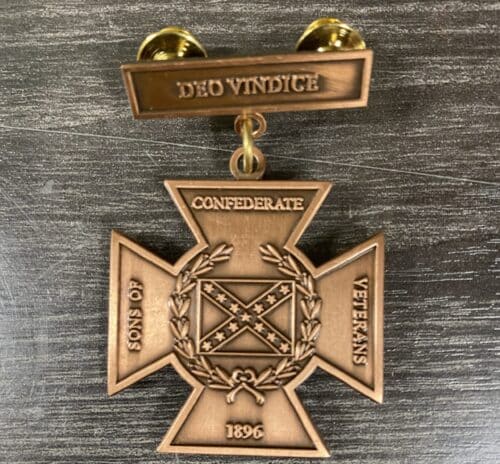
The SCV Southern Cross of Honor is the SCV’s first ever memorial medal. It has its roots in the original Southern Cross of Honor medals that were given by the UDC to Confederate Veterans from 1900 thru the 1930s. The UDC’s cross has been reimaged to reflect the SCV’s issuance while maintaining the character of the original that was cherished by the Veterans who received them. These medals are made of heavy gauge, antiqued copper metal in the US by Robert Snead of Heritage Specialties. Perfect for wear to memorial services, reunions, banquets and other gatherings.
-
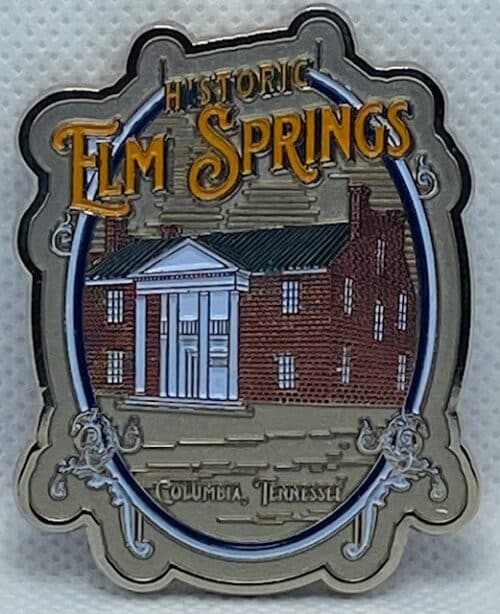
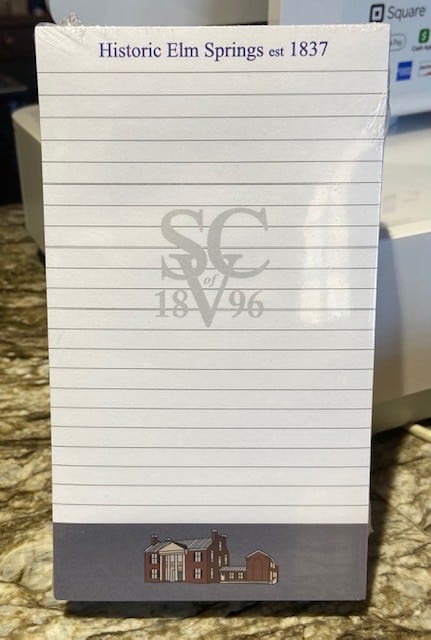
Historic Elm Spring Notepad (5-pack). Each pad is 7"x4".
-
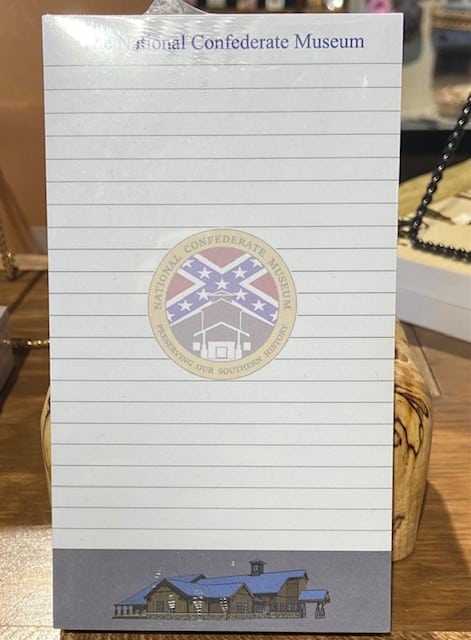
National Confederate Museum Notepad (5-pack). Each pad is 7" x 4".
-
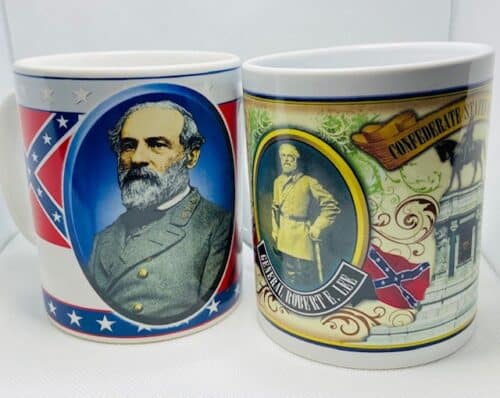
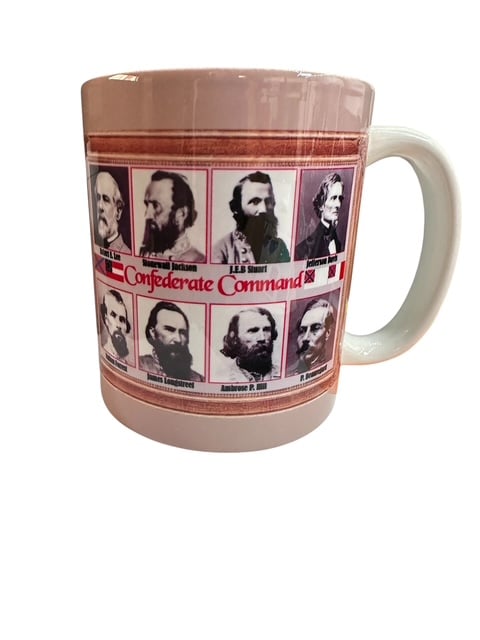
This white ceramic mug includes thumbnail photos of Davis, Lee, Jackson, Stuart, Forrest, Longstreet, Hill and Beauregard.
-
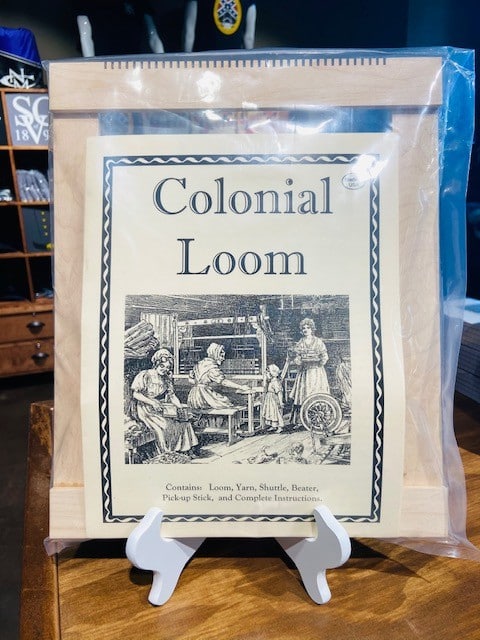
This small wooden loom is a traditional hand-held frame loom that allows you to learn the basic techniques of weaving. Frame weaving is the simplest form of this traditional craft, making it easy for almost anyone to learn. Includes basic instructions and contrasting warp and weft yarns.
-
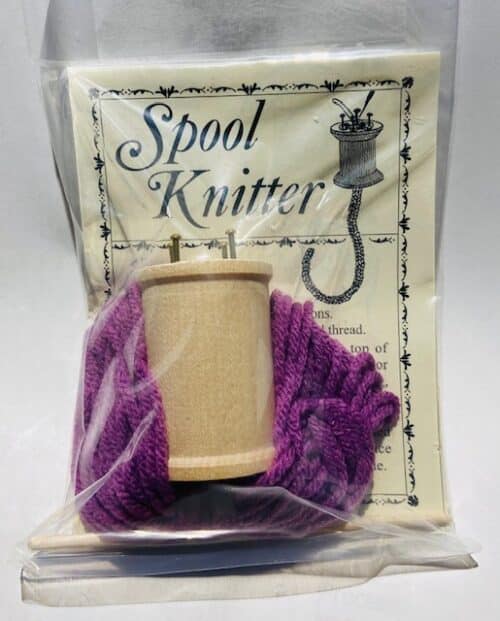
This fun and easy craft has been around for generations and is great for kids aged 4-99! You can create a variety of items using the knitted cord including but not limited to bookmarks, bracelets and flowers. Lots of fun! Includes instructions & project ideas. Yarn colors vary.
-
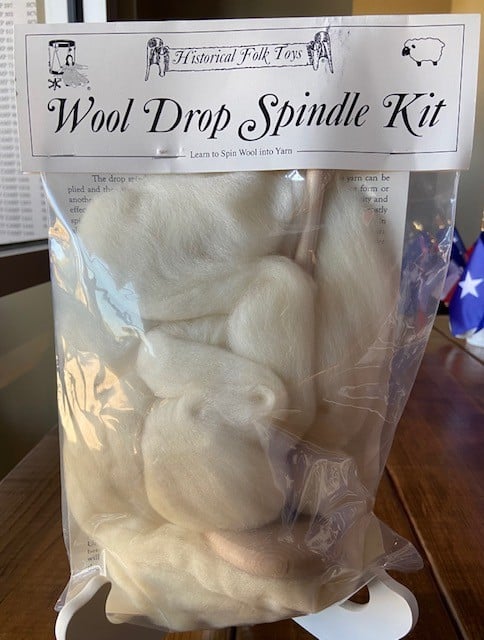
Learn to spin wool into yarn! The drop spindle is an ancient device used to spin wool into yarn and has been used in nearly every part of the world. This kit contains a drop spindle, wool roving and instructions.
-
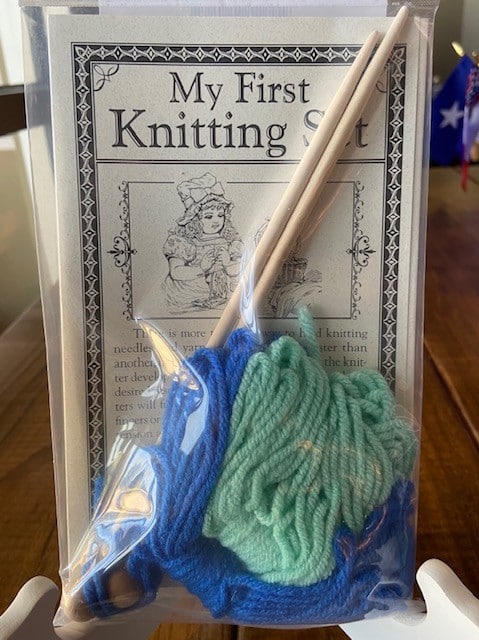
Set includes yarn, wooden knitting needles and easy to follow instructions.
-
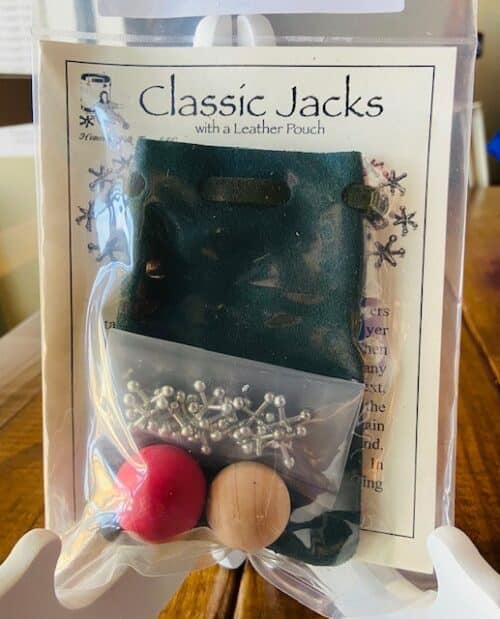
This Classic Jacks set includes a traditional set of jacks, a rubber ball, a wooden ball for historical play and instructions for five Classic Jacks games. Comes in a suede or leather pouch.
-
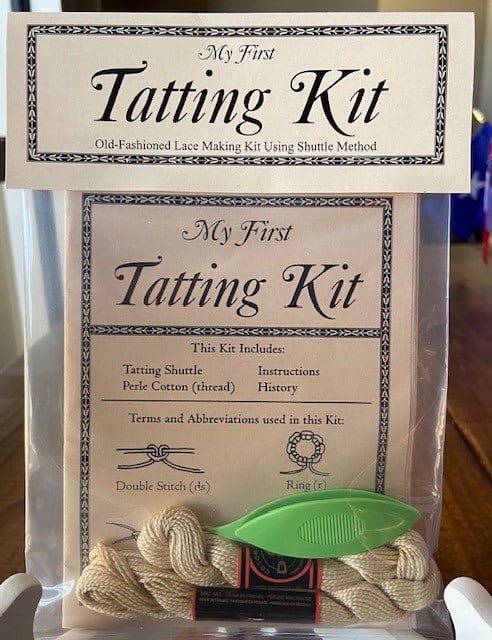
Tatting is the ages old technique of forming lace designs of loops, rings and picots by means of a shuttle and thread. Kit includes tatting shuttle, perle cotton thread and instructions.
-
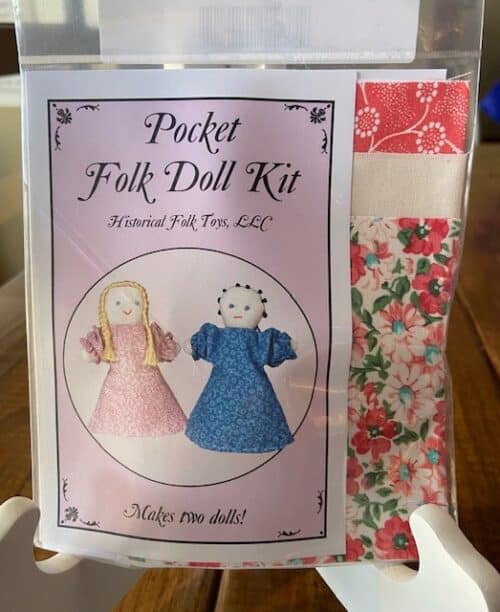
Kit includes fabric, needle, stuffing, embroidery floss and illustrated instructions. Makes two Pocket Folk Dolls approximately 3.25" high.
-
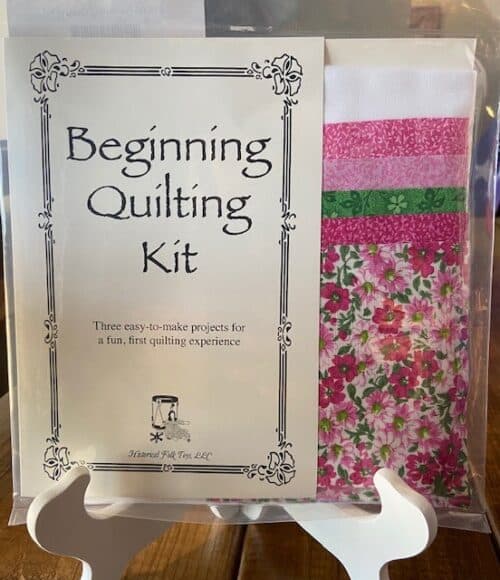
Three easy-to-make projects for a fun, first quilting experience. Kit includes calico fabric squares, muslin, batting, needle, pattern and instructions to make three projects. You will need scissors, thread, straight pins, a ruler and pen/pencil to draw cutting lines on fabric.
-
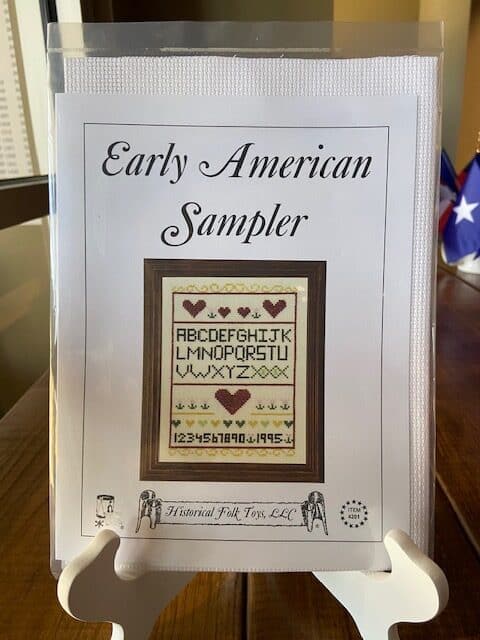
This Early American Sampler is representative of the time period from 1750-1840. This kit includes 9"x12", 11-count Aida cloth, embroidery floss, needle, chart and instructions.
-
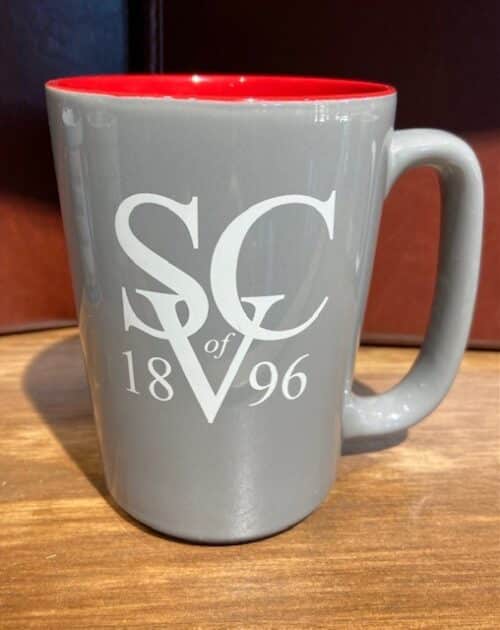
This 16oz gray coffee mug features the 1896 logo in white and has a beautiful red interior. This is one of our best-selling mugs!