-
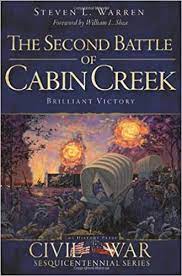
The commander of the three-hundred-wagon Union supply train never expected a large ragtag group of Texans and Native Americans to attack during the dark of night. But Brigadier Generals Richard Gano and Stand Watie defeated the unsuspecting Federals in the early morning hours of September 19, 1864, at Cabin Creek in the Cherokee nation. The legendary Watie, the only Native American general on either side, planned details of the raid for months. His preparation paid off--the Confederate troops captured wagons with supplies that would be worth more than $75 million today.
-
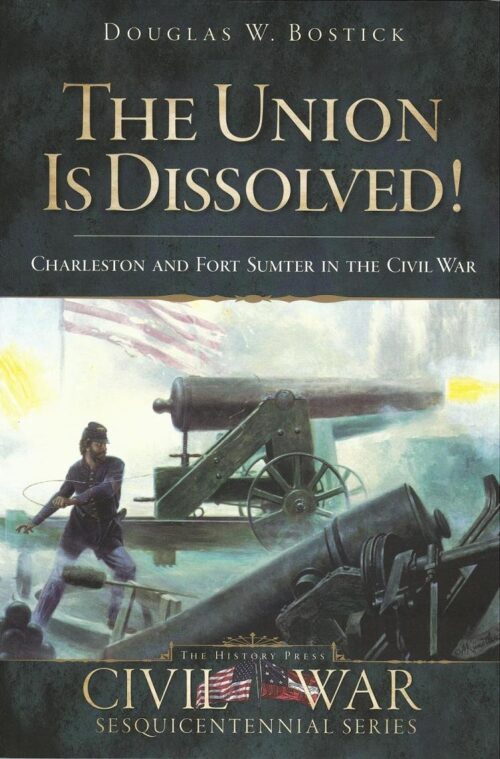
The Union Is Dissolved chronicles the face-off between professor and student- Robert Anderson and Pierre G.T. Beauregard- and the firing on Fort Sumter, signaling the beginning of the War Between the States. This fascinating volume offers a concise introduction to our nation's greatest struggle.
-
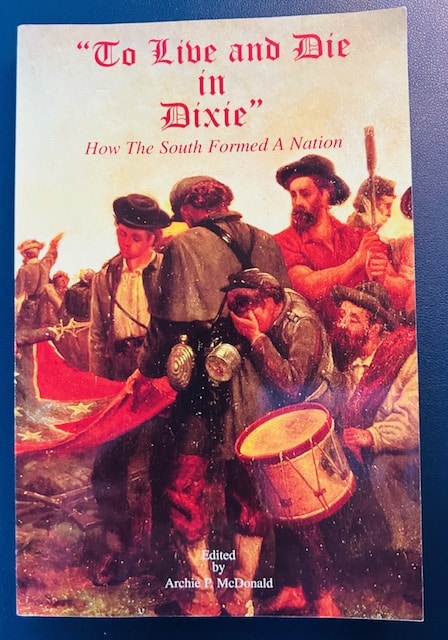
Companion book to the book "I'll Take My Stand: The South and the Agrarian Tradition" first published in 1930. In “To Live and Die in Dixie” you will find 27 essays which are designed to supply the weapons needed to take on the intellectually challenged and misinformed purveyors of modern historical imbecility. Intelligence is a weapon of self-defense. If you don’t know your own history then you will be helpless and ignorant before someone who merely claims to know your history! Originally published in the Confederate Veteran magazine from September/October 2010 through November/December 2014.
-
Edited by Archie P. McDonald. Published in 1999. 173 pages and in very good condition. ONLY ONE AVAILABLE
-
Handcrafted in small batches in Clifton, Tennessee using natural ingredients. Choose from peppermint, lemon, sweet orange and orange/clove/cinnamon.
-
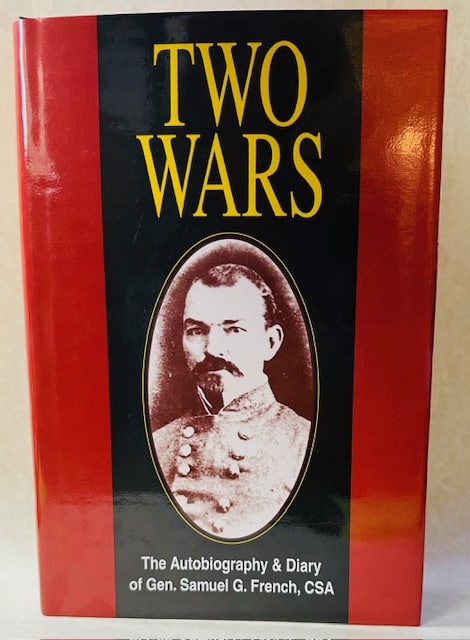
TWO COPIES AVAILABLE! Hardbound. 404 pages. Excellent condition. Born in New Jersey in 1818, a graduate of West Point in 1843, Samuel French won distinction in the Mexican war as a lieutenant of light artillery. At Palo Alto, Resaca, Monterey and Buena Vista he was actively engaged, receiving two brevets for gallantry in action and a serious wound at Buena Vista. But with the coming of the great civil war his narrative takes on a sterner interest. French was of Northern birth, but it is plain that the South had not a more devoted adherent. Commissioned a brigadier general in the provisional army of the Confederate States in October 1861, French served in various capacities with zeal and efficiency until his appointment as major general to command a division of the army under Gen. J.E. Johnston. A very interesting read!
-
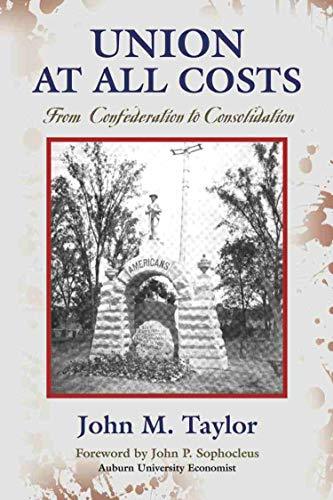
Is the Union voluntary or an agreement with no escape route? Setting the tone, John M. Taylor leads off by noting the travails of a respected ancestor. Major questions in America are explored, including differing views of the meaning of union. Though numerous issues led to war, most modern establishment historians generalize everything down to one. Pre-war and post-war years are largely ignored, trivialized, or sanitized. Protectionist Whigs and other big government advocates created the centralizing vehicle-the Republican Party-to accomplish their goals. In 1860, they selected Abraham Lincoln to implement the agenda. Taylor shows how Lincoln and the Radical Republicans planted the seeds of leviathan we witness today. Available in paperback.
-
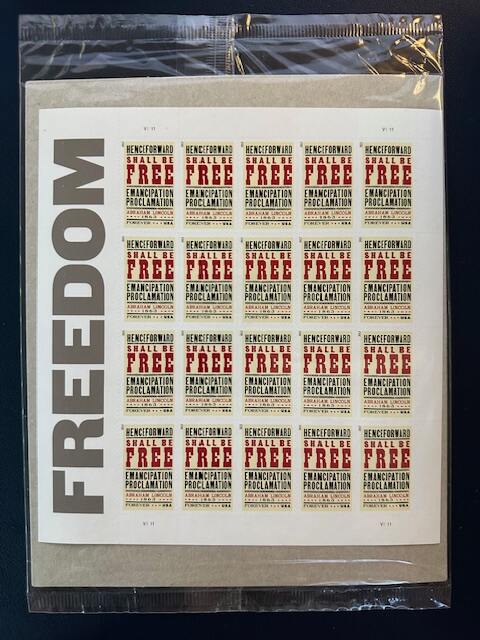
Assorted collection of Emancipation Proclamation stamps produced by USPS back in 2013.
-
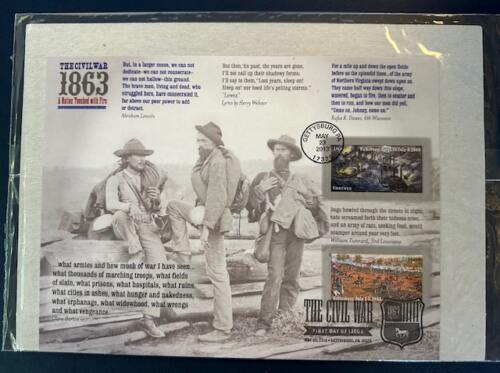
Various Civil War stamps and first day of issue envelopes that were issued by USPS back in 2013. Most are still in original packaging and have not been opened. Please read each description since there are slight differences in each set.
-
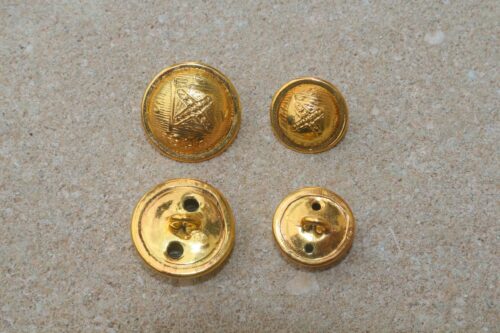
Anodized brass buttons reproduced in the vintage high-domed style used by the Confederate government. These are exactly like UCV buttons with the exception of the dates and the SCV letters. Features the flying square Confederate flag in the center with the SCV and 1896 around the flag.
-
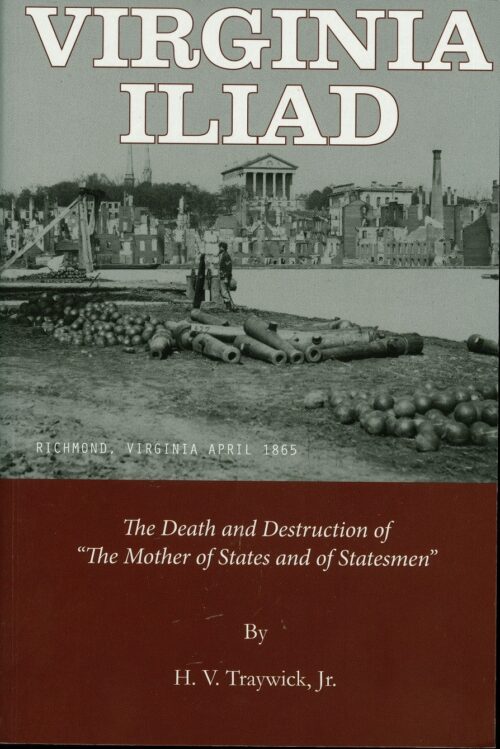
This work offers a contemporaneous portrait of Old Virginia, her unwavering stance on State sovereignty, and her fight to the death to defend the fundamental principle upon which the Republic was founded.
-
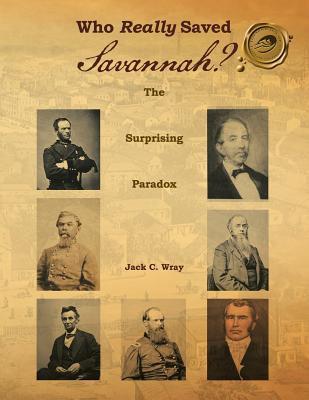
One of Savannah, Georgia's closest calls to total disaster happened with the arrival of Wm. T. Sherman and sixty-two thousand Union Troops. This fifty-three-day heart-pounding, nail-biting, hair-raising horror story of her onion-skin-thin bare survival centers on the central question: who REALLY saved Savannah?